











If you have ever hovered over the checkout button on a gorgeous removable wallpaper, only to pause and wonder, “but does peel and stick wallpaper damage walls?” — you are definitely not alone. It is one of the most common questions we hear from renters, first-time homeowners, and anyone who loves redecorating on a whim. The short version: no, peel and stick wallpaper does not have to damage your walls. The longer version is a little more nuanced, and that is exactly what we are going to unpack in this guide.
By the end of this post, you will know exactly when peel and stick wallpaper is safe to use, when it is not, how to install it so it looks flawless, and how to take it down without lifting a single flake of paint. Let’s dive in.
The Short Answer: Does Peel and Stick Wallpaper Damage Walls?
In most cases, peel and stick wallpaper will not damage your walls — as long as your wall surface, paint type, and removal technique are all on your side. High-quality removable wallpaper is specifically designed to be applied and removed without leaving residue, cracks, or lifted paint behind.
That said, there are a handful of situations where wall damage can happen. These usually involve walls that were already fragile, freshly painted, covered in flat matte paint, or simply not prepped properly before installation. The good news is that every single one of these situations can be avoided with a bit of planning, which is what the rest of this guide is all about.
How Peel and Stick Wallpaper Actually Works
Before we talk about damage, it helps to understand what peel and stick wallpaper really is. Think of it as a large, printed sticker designed for your walls. There is a decorative top layer (usually a polyester fabric or a vinyl film), and underneath is a pressure-sensitive adhesive protected by a paper backing. You peel the backing, press the wallpaper onto a clean wall, smooth out the bubbles, and that’s it — no pasting, no water trays, no professional tools.
Modern peel and stick wallpapers typically come in two main materials:
- Self-adhesive polyester has a soft, fabric-like matte finish and is a popular choice for bedrooms, living rooms, and feature walls.
- Self-adhesive vinyl is more durable, slightly thicker, and offers better moisture and scratch resistance, making it ideal for kitchens, bathrooms, and high-traffic areas.
Both materials use a gentle adhesive that sticks firmly but is designed to release cleanly when you are ready to take the wallpaper down. You can browse the full range of styles and finishes in the Chapter Walls shop to see how these materials translate into real-life patterns.
When Peel and Stick Wallpaper Can Damage Walls
Here is where that nuance comes in. Peel and stick wallpaper is generally safe, but certain conditions can turn a simple decor update into a paint-lifting headache. Below are the most common culprits.
1. Freshly Painted Walls
If your walls were painted in the last few weeks, the paint may still be curing. Even paints that feel dry to the touch can take up to four weeks to fully bond with the drywall underneath. Applying peel and stick wallpaper during that curing window is one of the fastest ways to pull paint off later. As a rule of thumb, wait at least three to four weeks after painting before installing any removable wallpaper.
2. Flat or Matte Paint Finishes
Matte and flat paint finishes have a porous, chalky surface that loves to cling to adhesive. When you pull the wallpaper off, the paint often comes with it in small flakes. Eggshell, satin, and semi-gloss finishes are much more cooperative because they have a smoother, slightly slick surface. If your walls are painted in a flat finish, you are not necessarily doomed, but you should plan ahead and test a small, hidden area before committing.
3. Textured Walls
Peel and stick wallpaper loves a smooth canvas. If your walls have heavy texture, orange peel, or popcorn finishes, the adhesive only makes contact with the high points of the texture. That leads to lifting edges, air bubbles, and a patchy look. Worse, when you pull the wallpaper off, those same textured peaks are more likely to crumble, taking chunks of the finish with them. If you have lightly textured walls, a good smoothing primer or lining paper can often save the day.
4. Loose Plaster, Old Drywall, or Flaking Paint
Older homes sometimes have walls where the paint or plaster is already compromised. If you can see hairline cracks, chips, or areas where the paint flakes when you run a fingernail over it, the damage is essentially already there — the wallpaper will just make it visible when it comes off. Always repair and repaint questionable surfaces before hanging any wall covering.
5. Wallpaper Left Up For Years
Peel and stick adhesive is designed to stay put, but it is also designed to be temporary. The longer it stays on the wall — especially in humid environments or direct sunlight — the more the adhesive can bond with the paint beneath. Our production partner notes that the adhesive weakens after an extended period, which means leaving the wallpaper up for five or ten years may make removal more difficult than it needs to be. Most removable wallpapers are happiest for a few years at a time.
Walls That Are Safe for Peel and Stick Wallpaper
Now for the good news. Peel and stick wallpaper is perfectly safe on the following surfaces:
- Smooth drywall painted with eggshell, satin, or semi-gloss finish.
- Plaster walls that are sound, clean, and smooth.
- Primed and sealed wood panels, including MDF and cabinet doors.
- Smooth concrete or cement walls without active moisture.
- Glass, laminate, and metal surfaces — yes, removable wallpaper works on fridges and headboards, too.
If your walls check any of those boxes and they have been painted for at least three to four weeks, you are a great candidate for a removable wallpaper refresh. If you want to see how different styles behave on each type of surface, the full wallpaper collection is a good place to start gathering ideas.
How to Install Peel and Stick Wallpaper Without Damaging Your Walls
Installation is where most “horror stories” actually begin. Follow these steps and you will dramatically reduce your chances of lifted paint or bubbled seams later on.
1. Clean your walls thoroughly. Dust, grease, and cleaning-product residue all interfere with adhesion. Wipe your walls down with a slightly damp microfiber cloth and a drop of mild dish soap, then let them dry completely — at least 24 hours.
2. Repair any cracks, holes, or imperfections. Fill holes with spackle, sand them smooth, and touch up the paint. Remember to give touch-ups the same curing time as a fresh paint job.
3. Skip installation on freshly painted walls. If you just repainted, put the wallpaper on your calendar for three to four weeks later. Yes, really.
4. Measure twice, cut once. Map out where each panel will go before peeling any backing. This prevents re-sticking, which is the single biggest cause of curling edges.
5. Start from the top and work down. Peel back about six to eight inches of the liner, align the top edge, and press the panel to the wall. Work downward slowly, smoothing as you go with a soft squeegee or a clean credit card.
6. Push out bubbles from the center outward. Small bubbles will often disappear on their own as the adhesive settles, but big ones should be worked out while you still can.
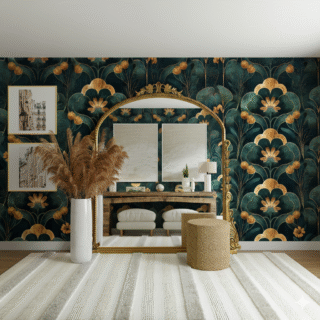
7. Overlap or butt seams intentionally. For a bold pattern like an Art Deco fan design or a dramatic black tropical print, precise seams make the pattern sing. Follow the manufacturer’s instructions on whether to butt or overlap.
8. Do not reposition more than a few times. Peel and stick adhesive can handle a little lifting for alignment, but repeatedly peeling the same section weakens the bond and can pull up paint.
Install day should feel relaxing, not stressful. Put on a playlist, take your time, and enjoy the process — it really is one of the easiest DIY projects out there.
How to Remove Peel and Stick Wallpaper Without Damaging Walls
Removal is the moment of truth. Here is the technique that design pros and removable wallpaper brands consistently recommend.
Start in a top corner. Use a fingernail or a plastic putty knife to gently lift a corner of the wallpaper. Avoid metal tools, which can gouge drywall.
Pull down and toward yourself at a 45-degree angle. Peel slowly and steadily. The goal is a smooth, controlled motion — not a fast rip. A 45-degree downward pull keeps the adhesive releasing evenly rather than yanking on the paint below.
Use gentle heat if the wallpaper resists. A handheld hair dryer set to low or medium heat warms the adhesive and makes it release. Hold the dryer a few inches from the wall and move it constantly so you do not scorch the paper or the wall.
Work in sections. If a whole panel is stubborn, peel it off in the same width as when you installed it. Smaller, controlled sections are less likely to tear and less likely to take paint with them.
Deal with any adhesive residue calmly. In the rare case that a little sticky residue remains, a warm soapy cloth or a mild adhesive remover will handle it without harming most finishes. Always test on a hidden spot first.
If you are leaving a rental, the combination of those steps usually leaves zero evidence that the wallpaper was ever there — which is why peel and stick has become a renter’s best friend.
Choosing the Right Peel and Stick Wallpaper for Your Space
Because peel and stick is so forgiving, you can experiment with colors and patterns you would never commit to in traditional paste-the-wall wallpaper. Here are a few quick guidelines:
- For small spaces like a powder room or entry nook, a dense, detailed pattern such as a black and gold damask adds instant drama without requiring a renovation.
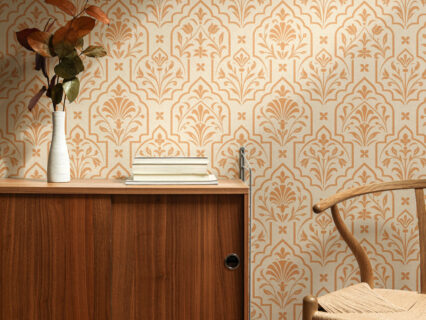
- For bright, airy rooms, a soft motif like a beige Mughal flower design keeps things calm while still feeling layered.
- For statement walls behind beds, sofas, or dining tables, a graphic line-art print like black and white botanical leaves gives you that “designer look” with none of the long-term commitment.
If you are still narrowing down your vision, browsing by color or mood inside the Chapter Walls shop can help you find a pattern that fits both your style and your space.
What the Experts Say
Design publications have been covering this exact question for years, and the consensus is consistent. According to Apartment Therapy’s deep dive into removable wallpaper, the biggest predictors of wall damage are texture and paint type, not the wallpaper itself. A separate Apartment Therapy piece on what landlords actually think confirms that most landlords are fine with peel and stick as long as it is removed carefully and the walls are returned to their original state. Home-services site Angi comes to a similar conclusion, emphasizing prep and removal technique over the wallpaper itself.
In other words: the material is on your side. Your job is simply to set it up for success.
Final Thoughts: So, Does Peel and Stick Wallpaper Damage Walls?
Let’s bring it all together. Does peel and stick wallpaper damage walls? Only when the walls are not ready for it. With a smooth, clean, well-painted surface, a gentle installation, and a patient removal process, peel and stick wallpaper is one of the safest, most forgiving ways to transform a room. It is the reason renters can finally get the bold accent wall of their dreams, why nursery makeovers happen in a single weekend, and why design-loving homeowners can swap looks every few years without ever picking up a paintbrush.
If you have been waiting for permission to go for it — consider this your sign. Find a pattern you love, prep your wall, and enjoy the magic of a completely new space in a single afternoon. Your walls will thank you.
Ready to start shopping? Explore the full Chapter Walls peel and stick wallpaper collection and find the pattern that makes you smile every time you walk into the room.
Frequently Asked Questions
Does peel and stick wallpaper damage walls when you remove it? Not when removed correctly. Peel it slowly at a 45-degree downward angle, use a hair dryer on low heat if the adhesive resists, and avoid sharp metal tools. On smooth walls painted in eggshell or satin, removal is virtually always damage-free.
Can I use peel and stick wallpaper on freshly painted walls? Wait at least three to four weeks after painting. Paint needs time to fully cure, and installing wallpaper too early is one of the most common causes of paint peeling.
Will peel and stick wallpaper ruin matte paint? It can. Matte and flat paint have porous finishes that bond strongly with adhesive. If possible, repaint in eggshell or satin first, or test a small, hidden area before covering an entire wall.
How long can I leave peel and stick wallpaper up? Most removable wallpapers look and remove best after one to three years. They can stay longer, but the longer they stay, the more effort removal may take.
Is peel and stick wallpaper good for rentals? Yes — it is one of the most rental-friendly decor upgrades available. As long as you prep the wall, install carefully, and remove it gently, your security deposit should be safe.
Does peel and stick wallpaper work on textured walls? Lightly textured walls can work with a smoothing primer or lining paper underneath. Heavy texture, orange peel, or popcorn finishes are not recommended because the adhesive cannot make full contact.
Love the look of a hand-picked wallpaper in your space? Browse the Chapter Walls collection to find designs made for real walls, real homes, and real life.